I need a new mold
Send the part, material, volume and project requirements. Review manufacturability and the proposed tooling structure before quotation.
Engineering-led tooling and plastic injection molding for international OEM and industrial projects. From part review and DFM through mold design, machining, T1 trials, inspection and production.
From CAD review to validated tooling and molded parts.
No CAD yet? Discuss your project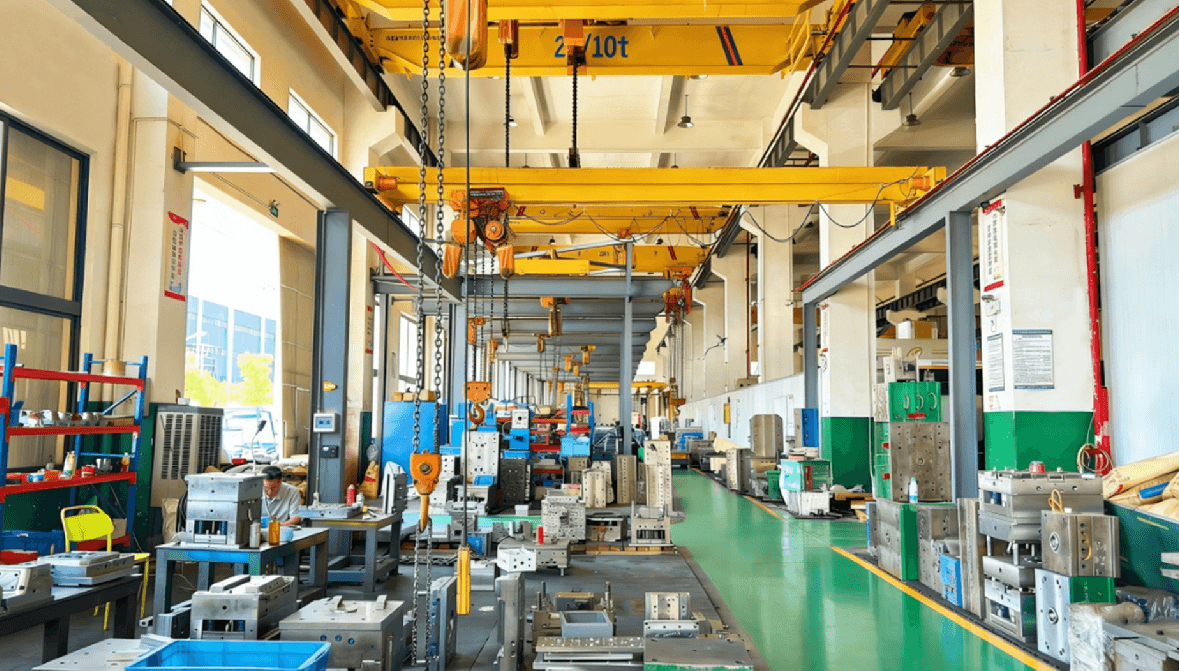
Send the part, material, volume and project requirements. Review manufacturability and the proposed tooling structure before quotation.
Discuss tooling plus production, or an existing mold that needs trial, transfer, correction or production support.
Start with DFM, Moldflow, product feasibility or tooling-risk review before deciding whether to cut steel.
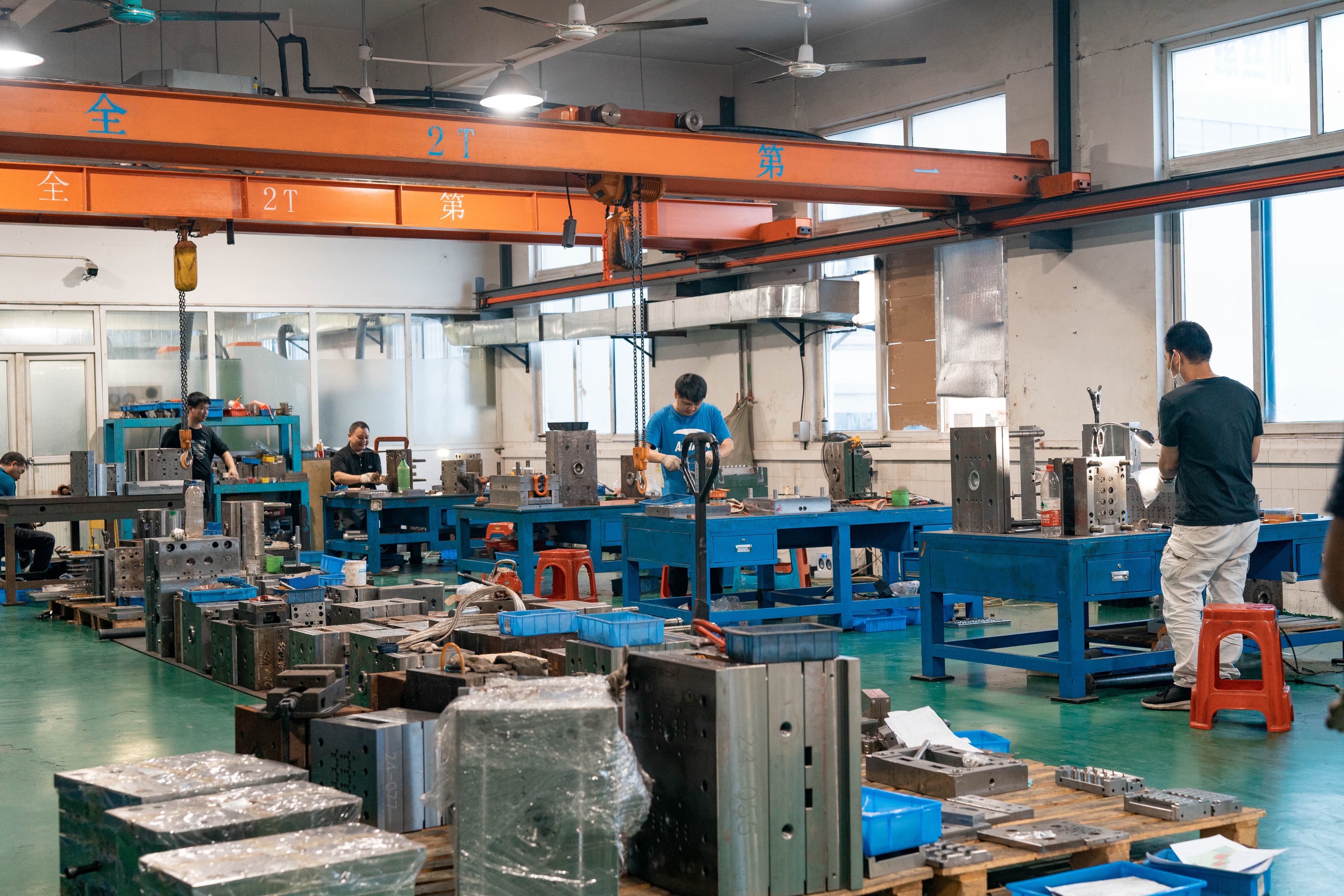
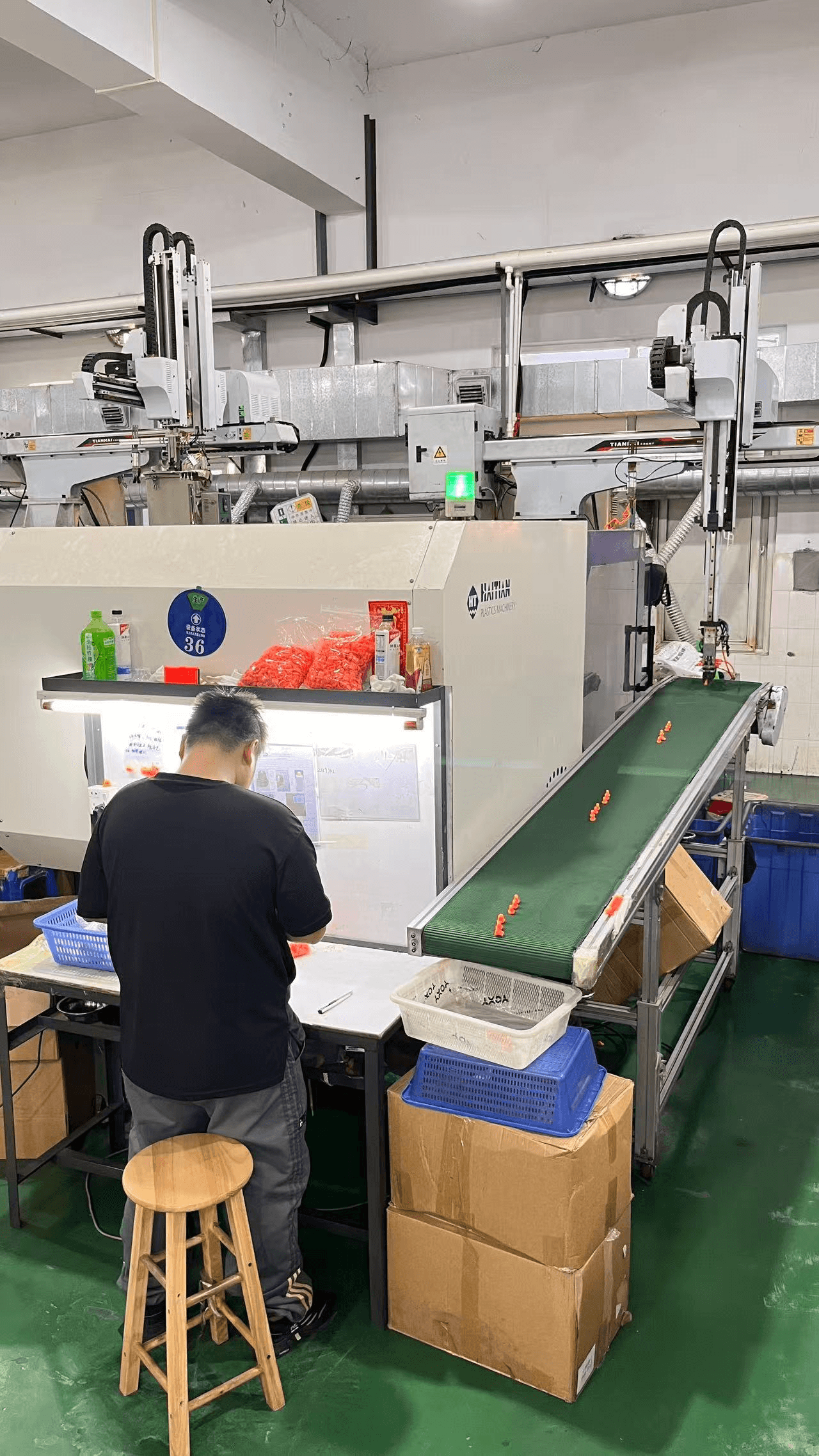
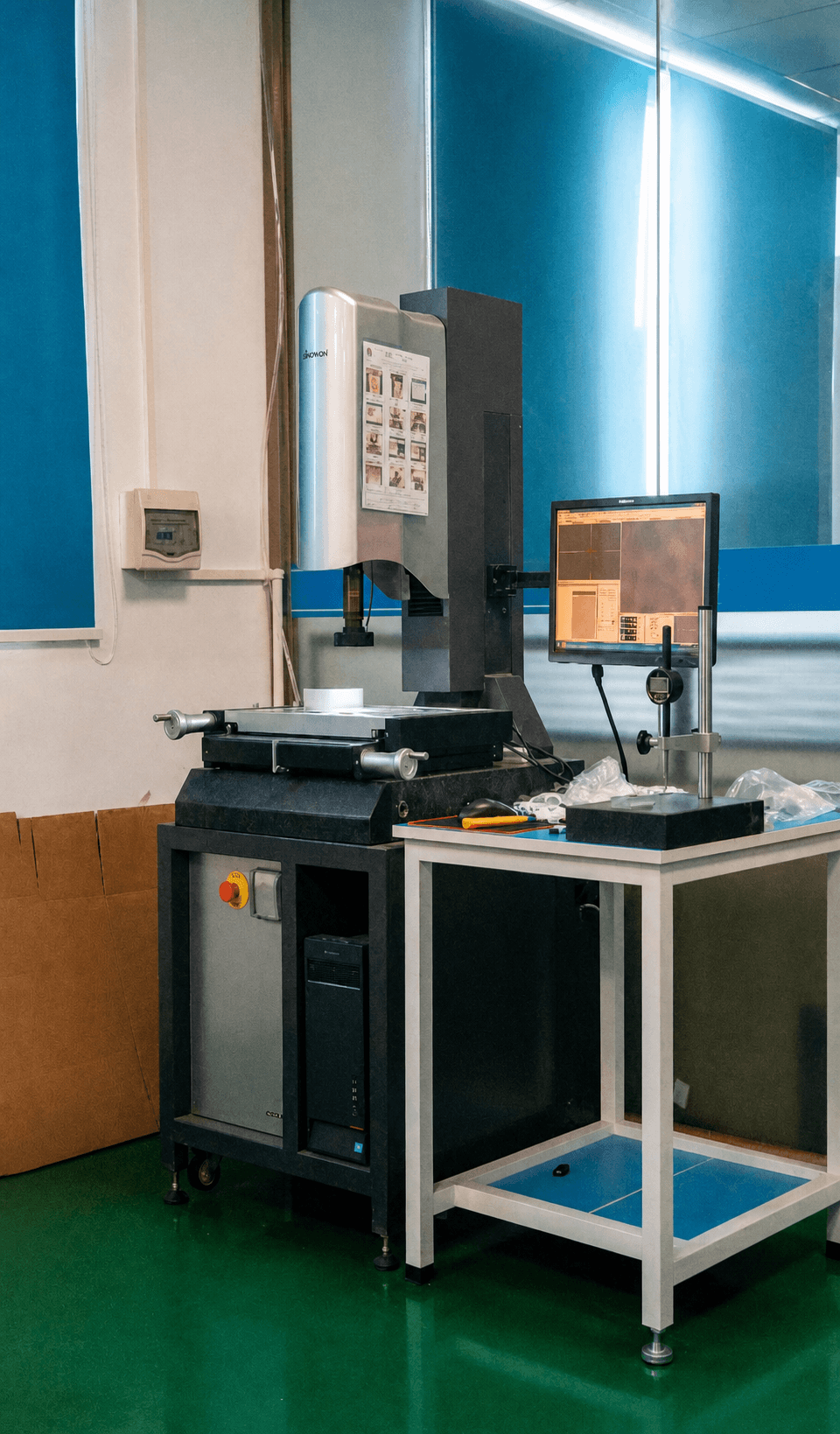
Every capability has a commercial purpose: reduce uncertainty, manufacture the tool, validate it and prepare the project for production or shipment.
Review part geometry, draft, wall thickness, undercuts, parting, ejection, gating and cosmetic requirements before tooling decisions are locked.
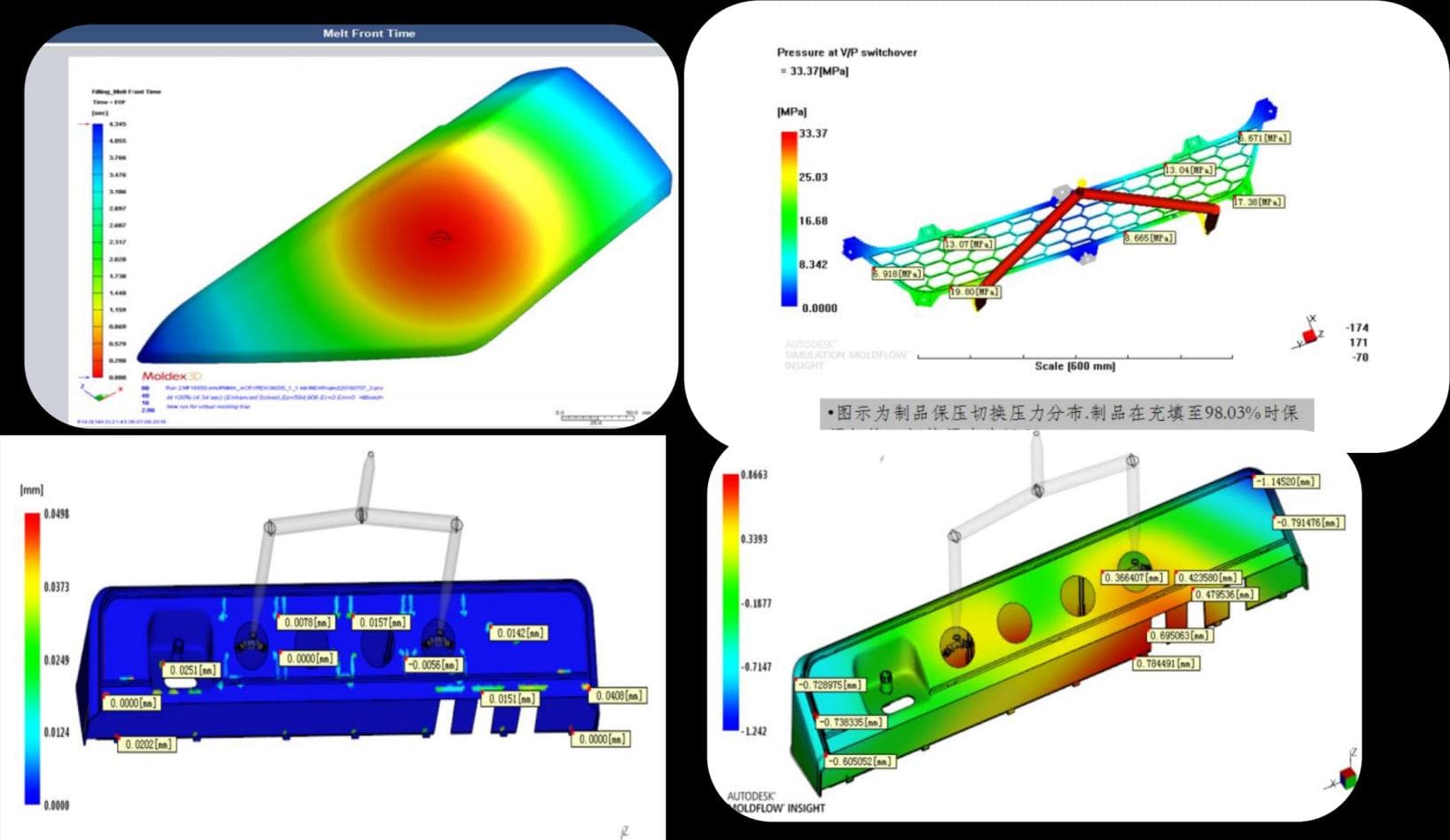
Explore capability 02Use filling, pressure, weld-line, air-trap, cooling and warpage studies when project risk or part complexity warrants simulation.
Explore capability 03Develop the mold layout, core and cavity, runner, slides, lifters, ejection and cooling around the approved tooling concept.
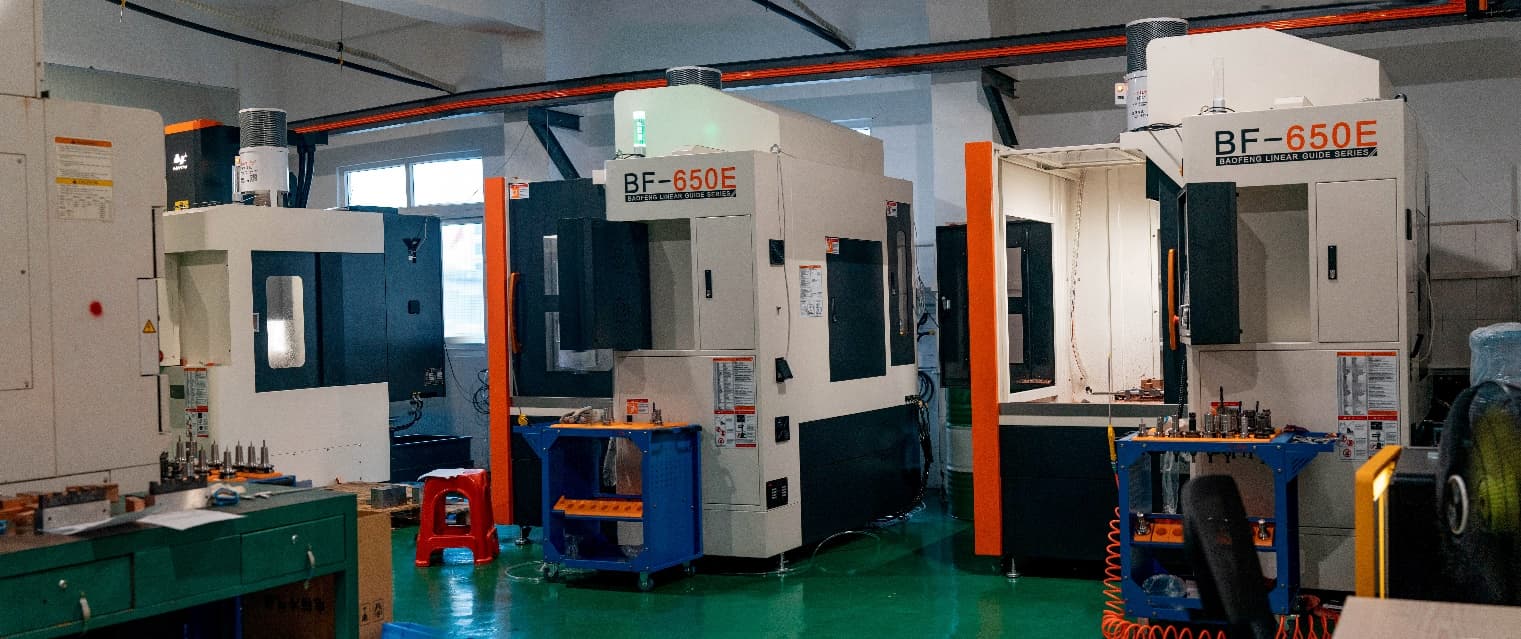
Explore capability 04Use rough and precision CNC machining to establish mold references, principal geometry and finished surfaces.
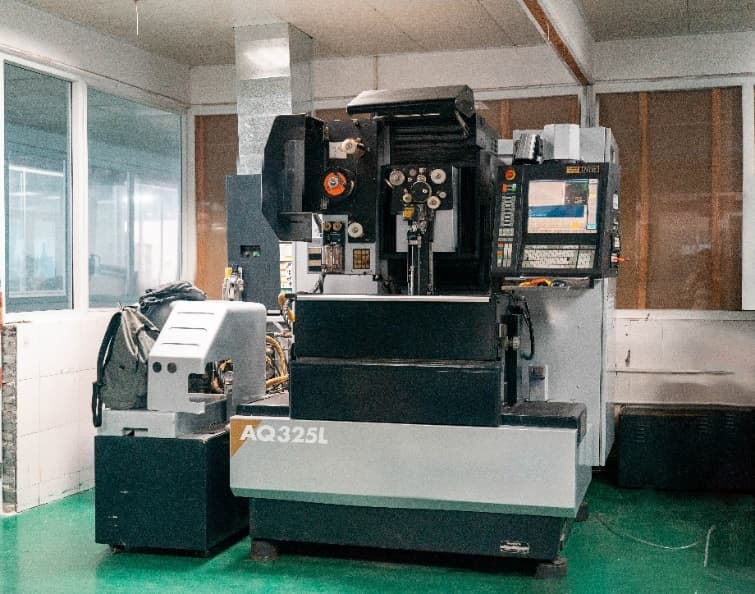
Explore capability 05Resolve deep, fine or inaccessible features and finish-sensitive tooling surfaces with the appropriate EDM route.
Explore capability 06Cut precision insert profiles and tooling details where wire access and feature geometry make the process suitable.
Explore capability 07Fit inserts, slides, lifters, ejectors, cooling connections and locating components into a working production tool.
Explore capability 08Trial the assembled mold, establish process conditions and review fill, ejection, appearance and sample stability.
Explore capability 09Verify mold components and samples with an inspection scope agreed around the drawing and acceptance requirements.
Explore capability 10Plan sample runs and production around material, color, dimensions, appearance, packing and forecast requirements.
Explore capability 11Use suitable prototype, machining or soft-material sample routes to review geometry, fit, handling and product decisions before tooling.
Explore capability 12Maintain one commercial and engineering channel across review, partner-factory coordination, trials, corrections and shipment.
Explore capabilityA project-specific review may cover wall thickness, draft, undercuts, parting, gating, ejection, cooling, shrinkage, weld lines, warpage, material, cosmetic surfaces and assembly risk. Moldflow is used when it can improve the decision.
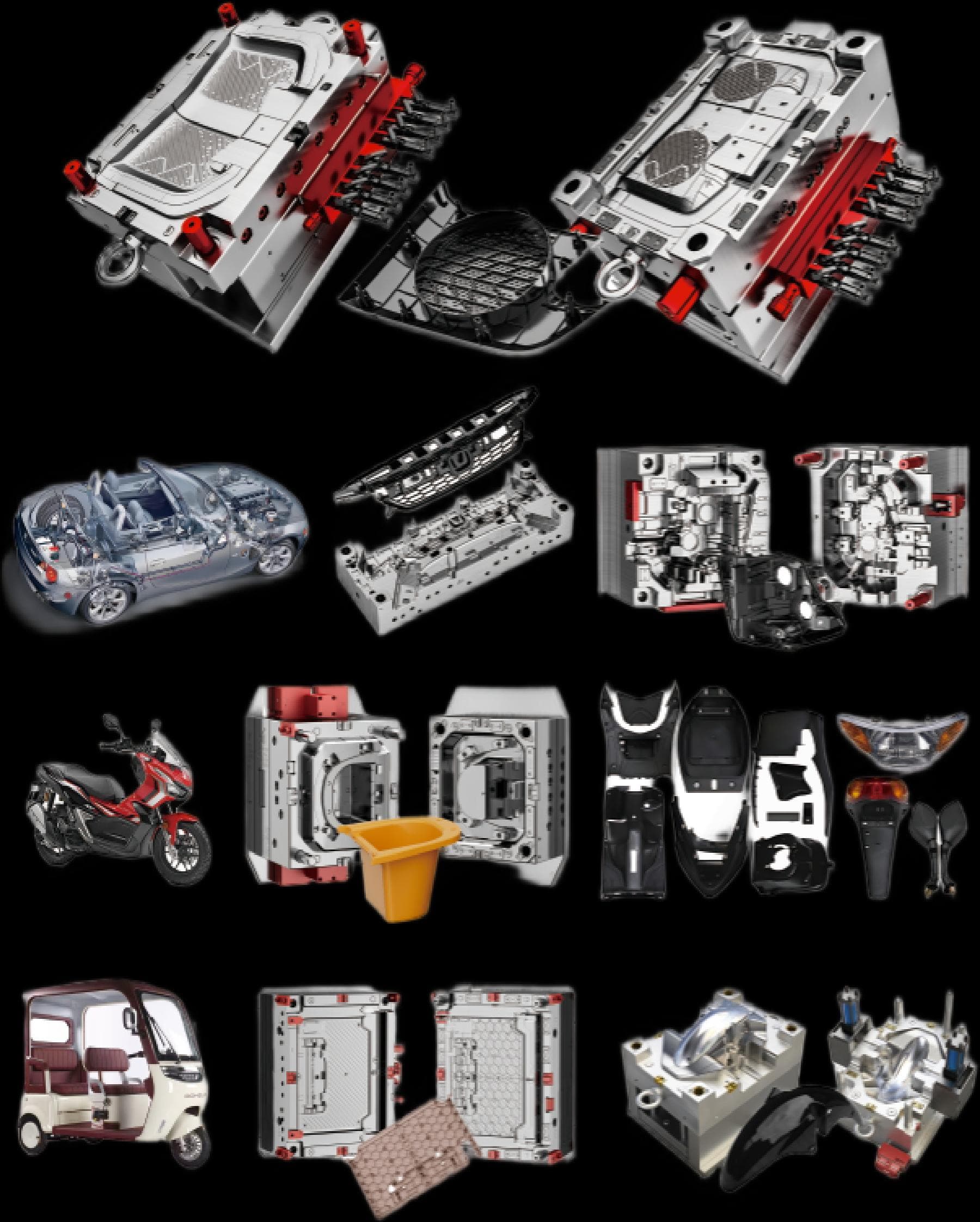
 Concept image — capability focus
 Concept image — capability focus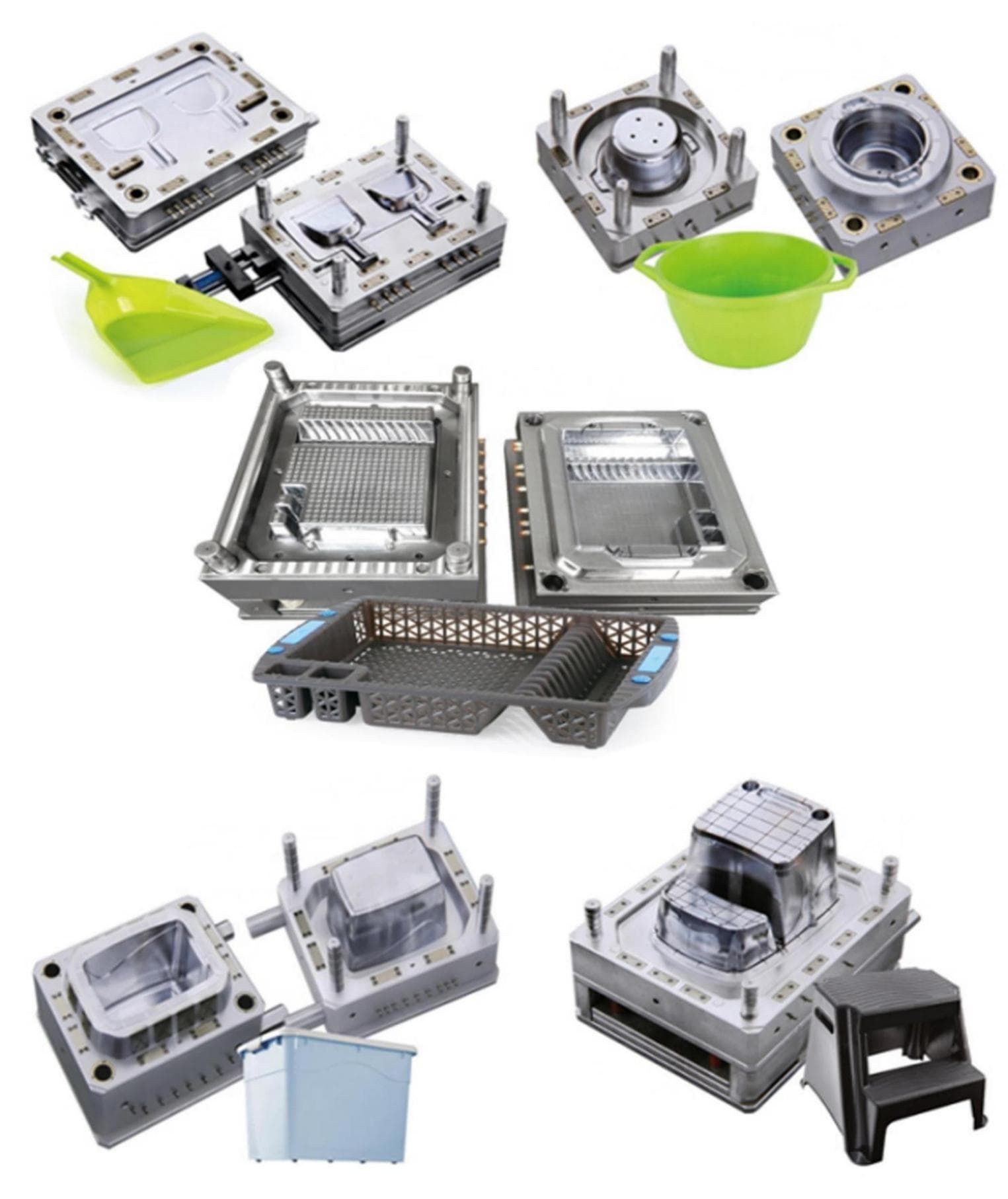
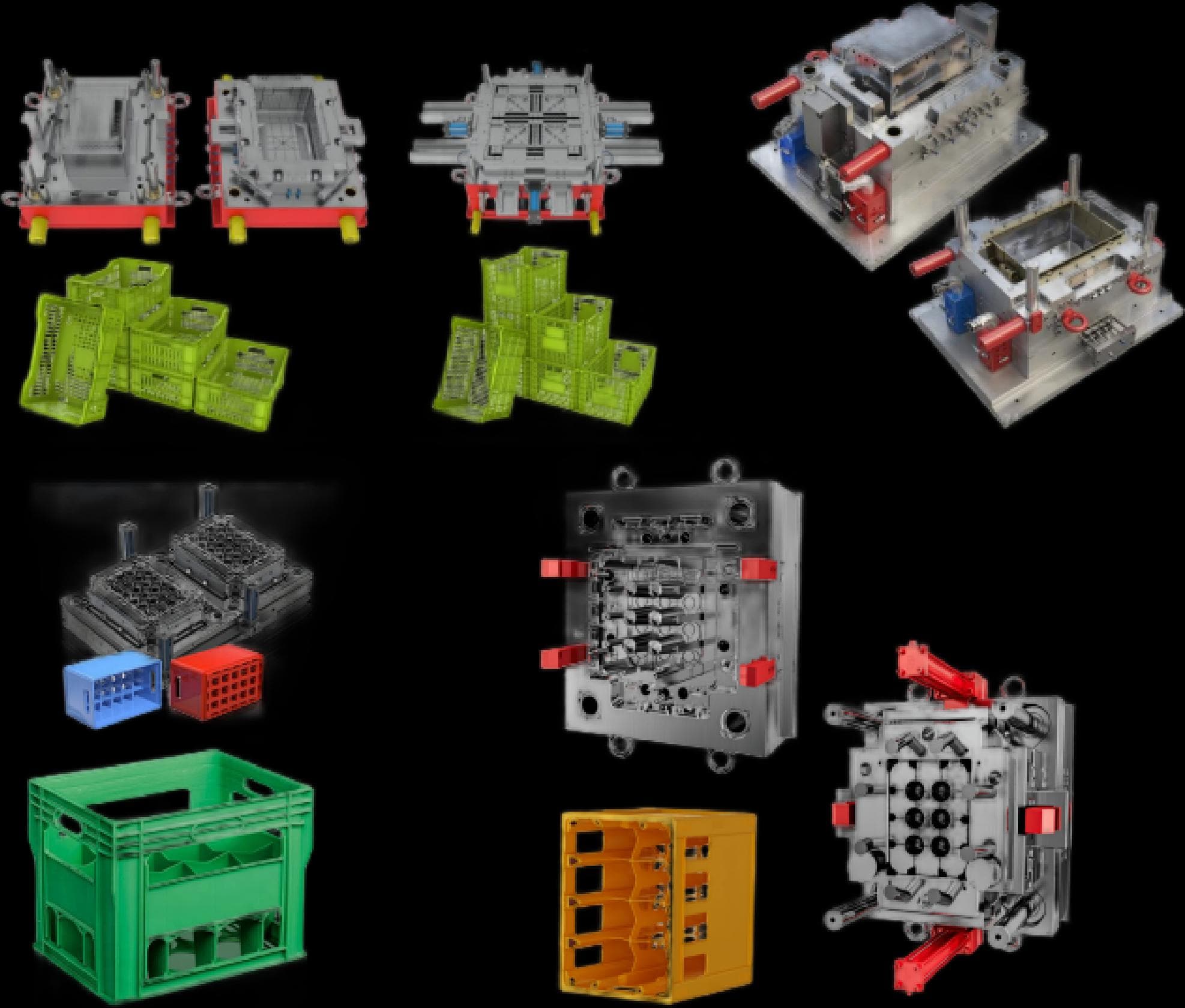
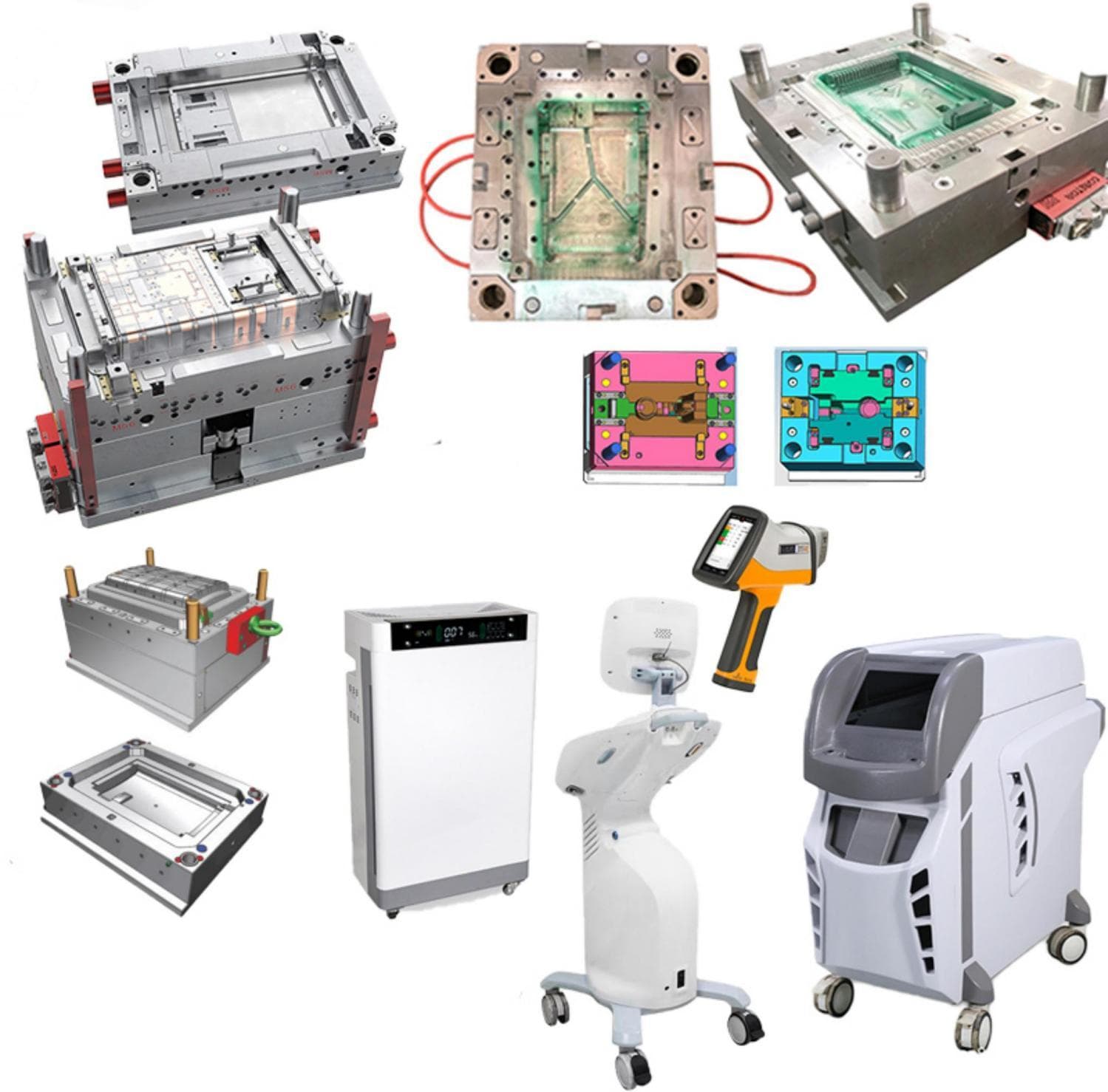
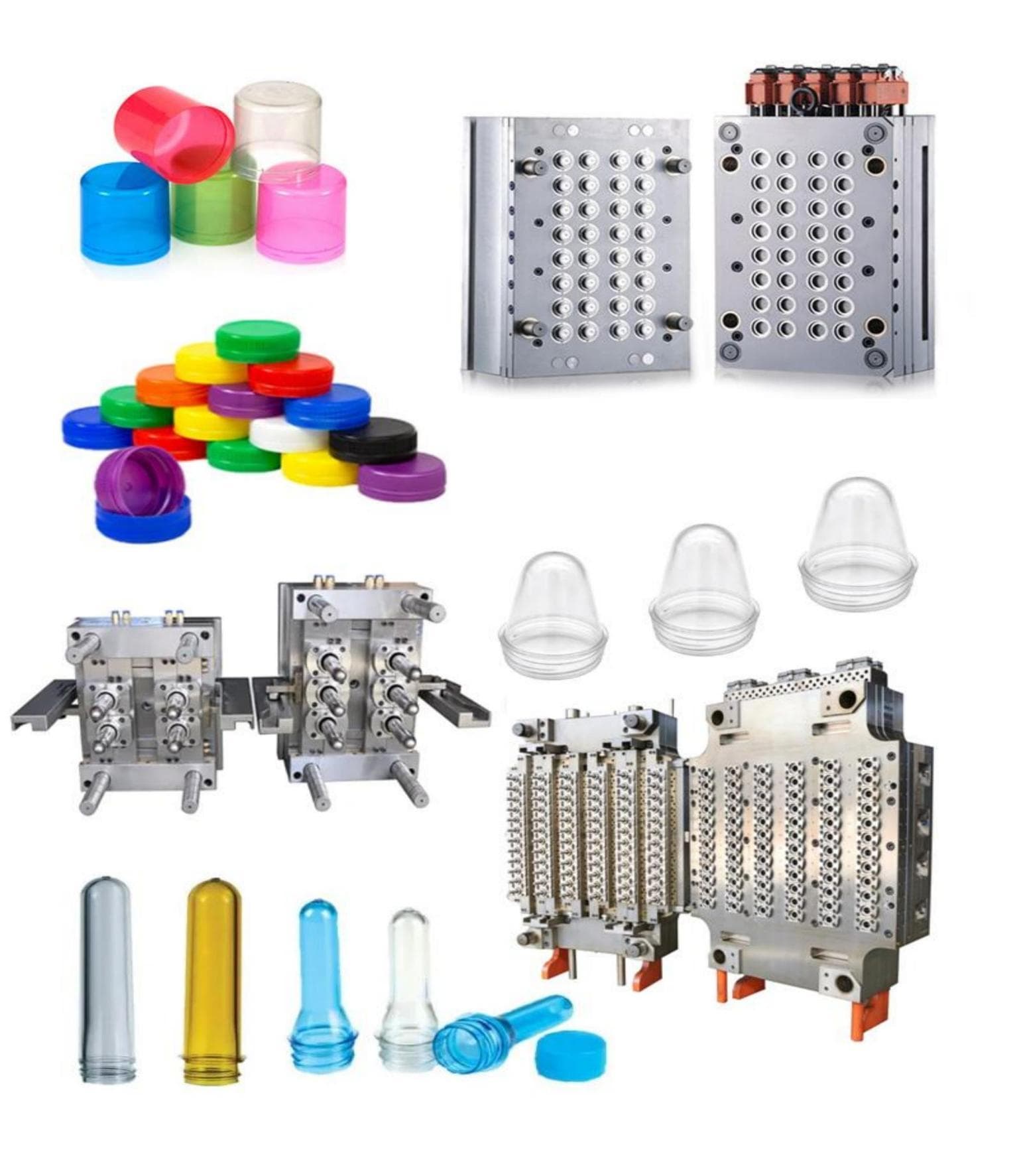
Factory examples use supplied partner material. New capability areas are clearly labeled as concepts until project evidence is approved for publication.
Large visible surfaces, parting strategy, filling, ejection and dimensional interfaces.
Concept image — capability focusLightweight protection, stiffness, assembly access, cable routing and reliable moving interfaces.
Concept image — capability focusThin features, cosmetic surfaces, snap fits, sealing interfaces and repeatable assembly around electronics.
Cosmetic appearance, ribs and bosses, fit, texture and stable ejection.
Large footprint, structural ribs, cooling, ejection and machine compatibility.
Assembly interfaces, material requirements, appearance and documented inspection.
Flow length, pressure, cavity balance, cooling and part release.
The complete thirteen-stage process is visible, understandable and linked to the project decision at each stage.
Review drawings, material, annual demand, cosmetic needs and the intended molding environment.
Define parting, gating, ejection, cooling, steel approach and key manufacturing risks.
Run simulation when geometry, scale, resin or production risk makes it decision-useful.
Complete core, cavity, mold base, slides, lifters, ejectors, runners and cooling layout.
Select and prepare mold base and steel around resin, finish, volume and tool-life requirements.
Remove bulk material and establish references while retaining finishing allowance.
Inspection can include incoming materials, machining-stage checks, mold-component dimensions, assembly, trial review, sample measurement and final packing.
See factory & qualityThe factory page connects design, CNC, EDM, fitting, trials, molding, inspection and shipment without turning the homepage into an unreadable machine spreadsheet.
View factory, tooling & inspectionUse actual DFM, tooling, trial and inspection material to make the project understandable.
Begin without confidential CAD, complete an NDA first, and involve company legal counsel when the project requires it.
When the contract identifies customer ownership and obligations are complete, the mold can be transferred to another qualified factory.
Bring an existing mold for condition, interface and machine-compatibility review, adaptation and a controlled re-trial.
No arbitrary correction-round cap for resolving in-scope nonconformance against approved product criteria.
Manufacturing is coordinated through project-managed partners, without pretending every machine is Trade Entrust-owned.
Share CAD, drawings or a project description. The tooling team will confirm what is needed for a useful review and quotation.